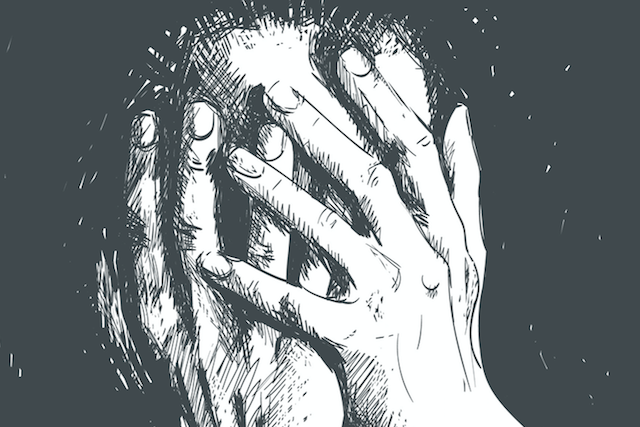
Shame consumes you. It ravages you from the inside, leaving an imprint and an aura that follows you about everywhere, like the lingering smell of tobacco infused into the clothes of a chain-smoker.
I was ashamed of my father for many years. I was ashamed of the recluse he became and of the crumbling house that was gradually picked apart, like a victim of a vulture that took its time with the dead. I was ashamed as I had no explanation for what was happening, ashamed because I could not help in anyway, ashamed because my father’s situation hinted at things that were taboo.
Nigerians have a complicated relationship with shame. Instead of admonishing those who bring shame to the country—those guilty of corruption and the pilfering of the public treasury—as a people, we are quick to look the other way, electing them to be chairmen of charities and guest speakers at events, hoping they are generous with the spoils of their corruption. On the other hand, the fear of personal disgrace is all-consuming. Shame that can be reflected onto us from family members who do the unthinkable or behave outside of the norms of acceptability is to be avoided at all costs. We will do almost anything to avoid hushed whispers about us at our clubs, or the feeling of hundreds of eyes bearing down on us as we walk past fellow congregants in church, their expressions of disapproval blazing like fire. We feel keenly the icy chill of exclusion when invitees boycott our celebrations, their notable absences screaming of judgment, and sending a clear message: “You are no longer one of us.” Growing up, “Don’t bring shame onto our family,” was a warning drummed into every child in every household, irrespective of economic circumstance.
It is the intense fear of shame that compels many to deny the truth of relatives who are homosexual or living with HIV, to cover up mounting business debts behind carefully curated facades of happiness and prosperity, and to lock away “mad” relatives, suffering with the burdens of mental health, in institutions far away, their names unspoken, as if they never existed at all.
When I uncovered the truth of my father’s downfall—the cruel 419 scam that manipulated his greed—the shame was so overwhelming that it reached new heights. The shame permeated my whole being like the gradual spread of damp from a leak behind a wall. It was as if my father’s actions projected a shame onto me that created a permanent stain that could not be washed away. I packed up the incriminating papers and documents, shut down his email and locked away the shame, or so I thought. But the shame lingered, simmering below the surface like a slow-bubbling stew.
The more I hid away from the truth that caused my shame, the more the shame seemed to grow. The purpose of writing my memoir was to face the shame, to confront the truth in all its ugliness and decay, to reveal it, to bring it into the light, to expose it.
My journey has been painful and fraught with unreliable narrators: family members who, like I, were also kept in the dark and whose memories of my father were from a distant past; the voices at the end of the phone; the mysterious cast of characters I met over the years; and my father’s intense email interactions with a faceless organization spanning decades.
In piecing the components of my father’s story together from the beginning to the end, there are clear gaps, inconsistencies, questions unanswered and memories that are potentially flawed, ravaged by the passage of time, with few people left to validate them. Nevertheless, the pieces of the puzzle I have managed to put together reveal a truth. A heart-breaking truth of hubris, greed and manipulation.
By revealing the truth of what I found, I hope to shed light on the reality of confidence scams, specifically advance fee scams, the so called “419” scams. For me, it was important to lay the reality out in all its horror, to reveal the way the perpetrators manipulated my father and the insidious way they meticulously broke him down and extracted everything from him.
There are many articles about advance fee fraud, sometimes referred to as “the Nigerian scam.” Indeed, YouTube and Reddit are cluttered with warnings of 419 scams complete with example emails and survivor stories. But these sources are either very academic or spun into comedic cautionary tales, the underlying message being, “You should have known better.” The reality is, however, far more complicated.
I hope in telling my father’s story and revealing the terrifying truth of these calculated fraudsters, others can benefit from the insights. Perhaps others can succeed where we failed, to steer a loved one home—before it’s too late.
Finally, I hope this story resonates with potential publishers. I hope they see it as a story worth telling, a story worth publishing.
I hope.


 Novice Memoirist
Leave a comment